



Imagine a machine that can work for hours without getting tired, perform dangerous tasks without fear, and even understand human commands. This is no longer just a scene from a science-fiction movie. Robots are becoming an important part of our real world.
Thank you for reading this post, don't forget to subscribe!From factories and hospitals to homes and space missions, robots are changing the way humans work and live.
What Is a Robot?
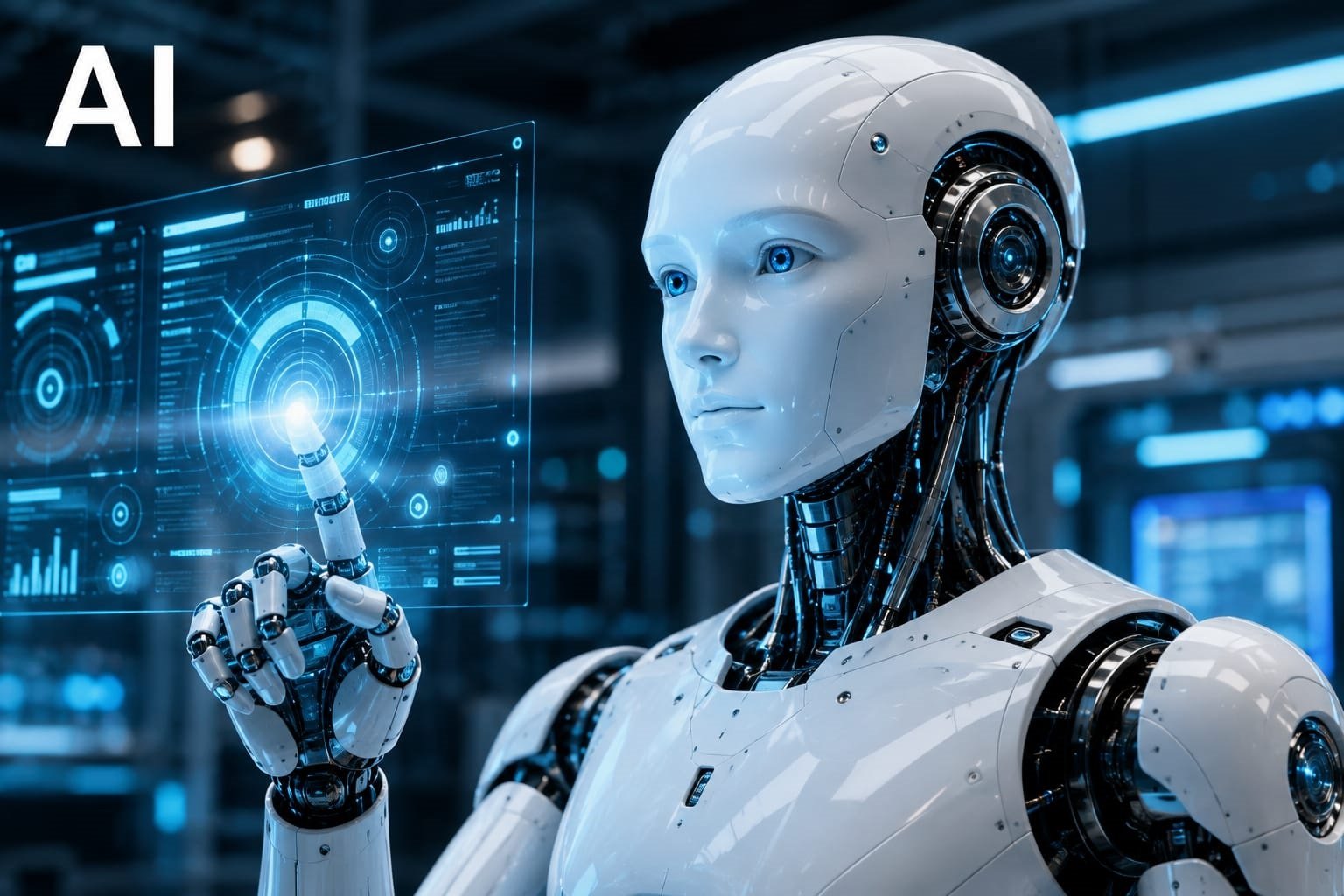
A robot is a machine designed to perform tasks automatically or with human instructions. Robots can be controlled by computer programs, sensors, artificial intelligence, and other technologies.
Some robots are built to perform a single specific task, while advanced robots can learn from information, recognize objects, communicate with people, and make decisions within defined limits.
How Do Robots Work?
Robots generally use several important components:
- Sensors – Help robots detect objects, movement, temperature, light, and other conditions.
- Processors – Act like the robot’s brain and process information.
- Motors – Allow robots to move their arms, wheels, legs, or other parts.
- Software – Gives robots instructions about what to do.
- Artificial Intelligence – Allows some modern robots to recognize patterns, understand commands, and respond to changing situations.
Together, these technologies allow robots to perform complex tasks.
Robots in Everyday Life
Many people think robots only exist in factories, but they are already appearing in everyday life.
Robot vacuum cleaners can clean floors automatically. Industrial robots help manufacture cars and electronic devices. Some restaurants and hotels are experimenting with robots for delivery and customer service.
Even smartphones and smart home devices use technologies related to robotics and artificial intelligence.
Robots in Hospitals
Robots are also becoming useful in healthcare.
Some robotic systems assist surgeons during complicated procedures by providing highly precise movements. Other robots can transport medicines and supplies inside hospitals or help patients with rehabilitation.
The goal is not always to replace doctors or nurses. In many cases, robots are designed to help medical professionals perform their work more efficiently and precisely.
Robots in Space
One of the most fascinating uses of robots is space exploration.
Robotic spacecraft and rovers can travel to places where humans cannot easily go. Mars rovers, for example, have explored the Martian surface, collected scientific information, and photographed landscapes millions of kilometres away from Earth.
Robots are extremely valuable in space because they can operate in environments that may be too dangerous or difficult for humans.
Can Robots Replace Humans?
This is one of the biggest questions surrounding robotics.
Robots can perform many repetitive, dangerous, or highly precise tasks, but humans have abilities that machines still struggle to reproduce completely. Creativity, emotions, social understanding, personal experience, and complex judgment remain important human qualities.
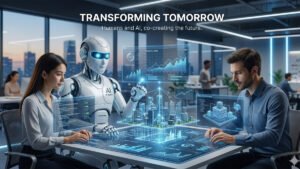
Instead of simply replacing humans, robots may increasingly work alongside humans, taking care of repetitive tasks while people focus on creativity, decision-making, and communication.
The Future of Robots
The future of robotics could be even more exciting.
Scientists and engineers are developing robots that can walk, communicate, recognize their surroundings, and work with humans. Humanoid robots may eventually become more common in homes, offices, hospitals, factories, and other environments.
However, the growth of robotics also raises important questions about safety, privacy, employment, and responsible use of artificial intelligence.
Conclusion
Robots have come a long way from the simple machines imagined in old science-fiction stories. Today, they are already helping humans in factories, hospitals, homes, laboratories, and space exploration.
The biggest question is no longer “Will robots become part of our future?”
They already are.
The real question is: How will humans and robots work together to create the future?