



Artificial Intelligence, commonly known as AI, has become one of the most important technologies of the modern era. From smartphones and search engines to healthcare, education, business, and entertainment, AI is changing how people work and interact with technology.
Thank you for reading this post, don't forget to subscribe!What once seemed like science fiction is now becoming part of everyday life.
What Is Artificial Intelligence?
Artificial Intelligence is a technology that enables computers and machines to perform tasks that normally require human intelligence.
These tasks can include understanding language, recognizing images, analyzing information, identifying patterns, generating content, and making predictions.
In simple terms, AI allows machines to process information and produce useful results based on data and algorithms.
How Does AI Work?
AI systems work by using algorithms and large amounts of data. Many modern AI systems use machine learning, where computers learn patterns from examples rather than being programmed with instructions for every possible situation.
For example, an AI image recognition system can be trained with thousands of images. After learning from those examples, it can analyze a new image and identify objects or patterns within it.
More advanced systems use technologies such as deep learning and natural language processing to handle complex tasks.
AI in Everyday Life
You may already use AI several times a day without realizing it.
Smartphone cameras use AI to improve photographs. Voice assistants can understand spoken commands. Streaming platforms recommend movies and videos based on viewing habits.
Search engines also use sophisticated algorithms to understand queries and provide relevant results.
AI has quietly become a part of many digital services we use every day.
AI in Healthcare
Healthcare is another major area where AI is making an impact.
AI can help researchers analyze large amounts of medical data, assist with medical image analysis, support patient monitoring, and help healthcare professionals identify patterns.
AI is not a replacement for doctors. Instead, it can serve as a tool that helps medical professionals work with information more efficiently.
AI in Education
AI is also changing education.
Students can use AI-powered tools for explanations, language practice, brainstorming, personalized learning, and research assistance.
Teachers can also use AI to create learning materials, generate practice questions, and organize educational content.
However, students should verify AI-generated information because AI systems can sometimes produce incorrect answers.
AI in Entertainment
The entertainment industry is experiencing a major transformation because of AI.
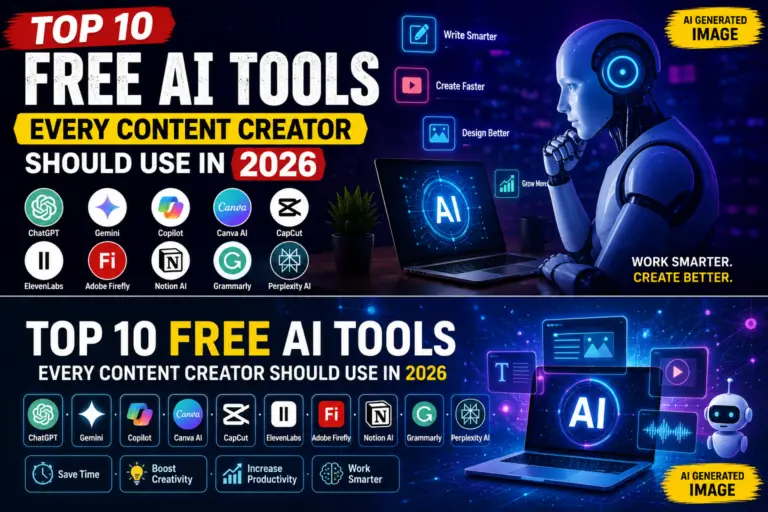
AI can help create images, animations, visual effects, music-related tools, and other forms of digital content.
Content creators can use AI to brainstorm ideas, edit material, create graphics, and speed up repetitive production tasks.
AI and Robotics
AI and robotics are closely connected, although they are not the same thing.
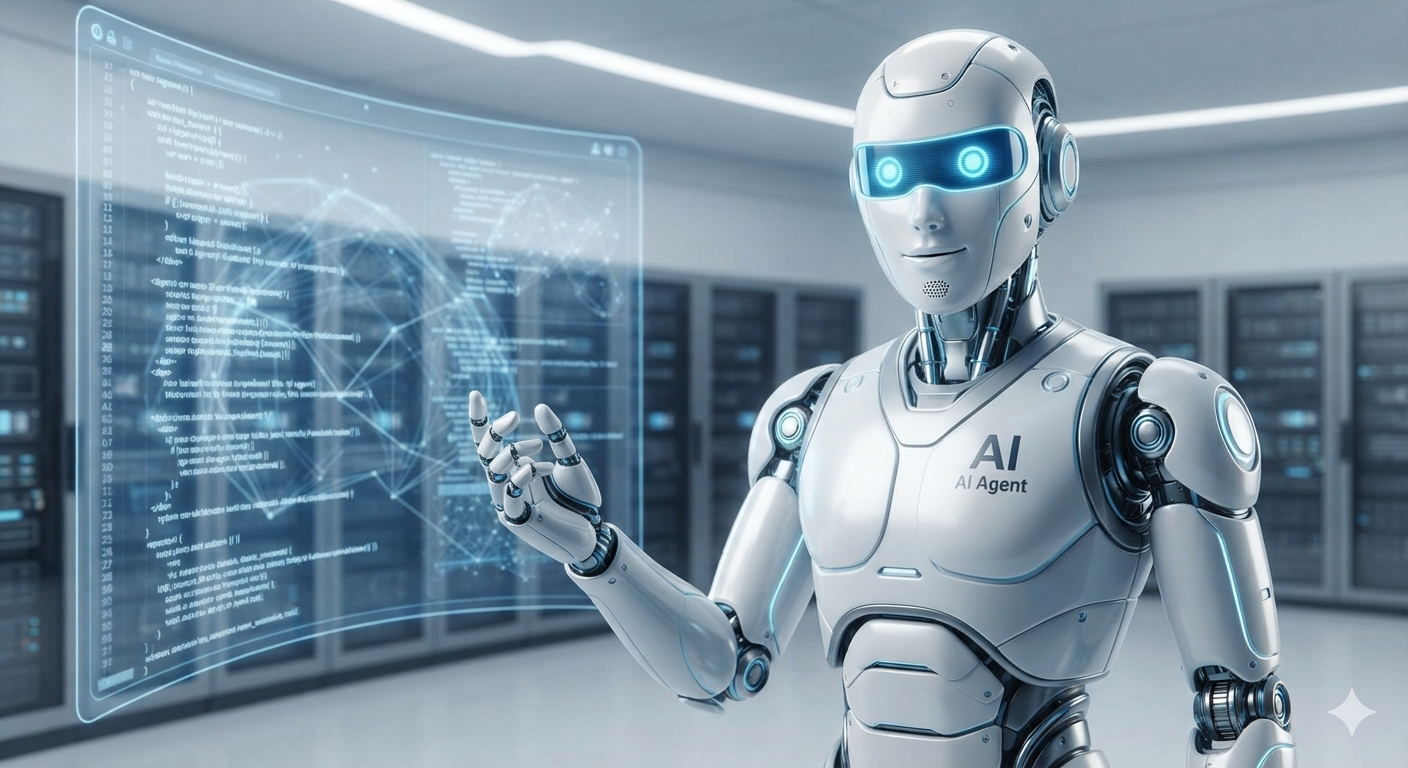
AI provides software-based intelligence, while robots are physical machines that can interact with the real world.
When combined, AI and robotics can create machines capable of recognizing their surroundings, responding to commands, and performing physical tasks.
Advantages of AI
Artificial Intelligence offers several important advantages:
- Faster data processing
- Automation of repetitive tasks
- Improved productivity
- Personalized digital experiences
- Assistance with research and analysis
- Support for dangerous or difficult tasks
- Faster access to information
- New opportunities for businesses and creators
Challenges of Artificial Intelligence
Despite its benefits, AI also creates important challenges.
AI-generated information may sometimes be inaccurate. Privacy and data security are major concerns, while AI-generated fake images and videos can contribute to misinformation.
There are also concerns about changes in employment as automation becomes more common.
Because of these challenges, responsible development and careful use of AI are extremely important.
Will AI Replace Humans?
The question of whether AI will replace humans has become increasingly common.
AI can perform many repetitive and data-heavy tasks, but humans still have important abilities such as creativity, emotions, personal experience, empathy, and complex decision-making.
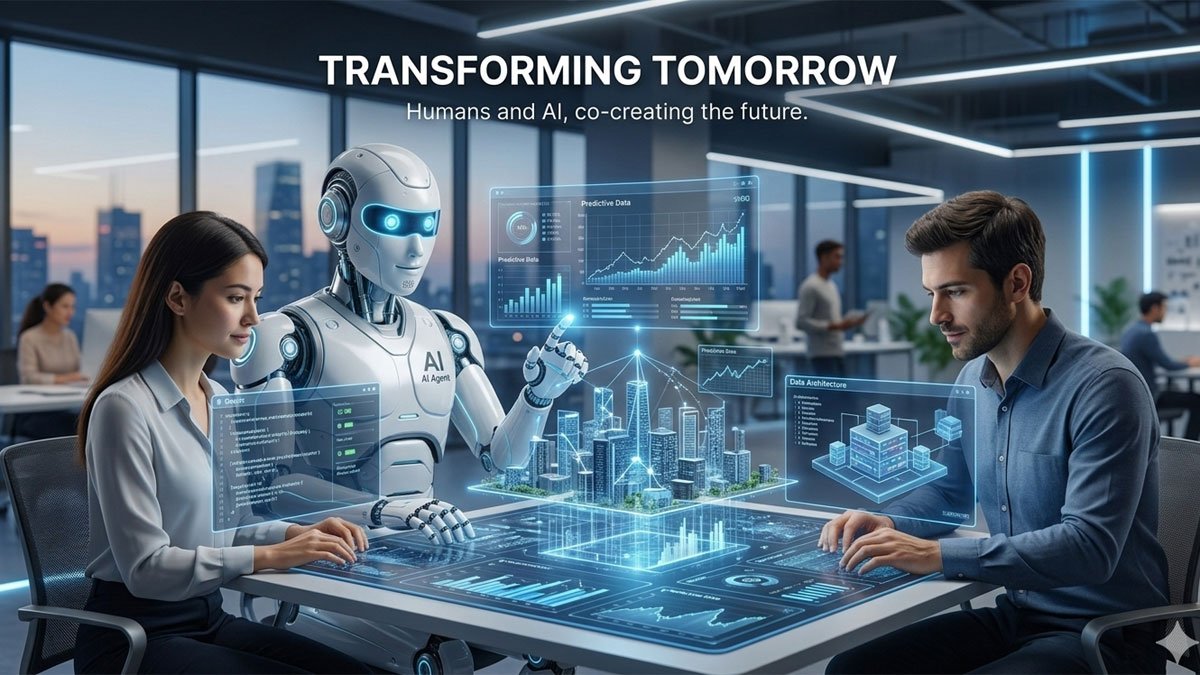
The future may therefore involve humans and AI working together rather than AI simply replacing humans.
The Future of AI
The future of AI could bring even more powerful applications.
AI-powered assistants, robots, smart homes, autonomous systems, advanced medical tools, and personalized digital services could become increasingly common.
At the same time, society will need to focus on safety, privacy, transparency, and responsible AI development.
Conclusion
Artificial Intelligence is no longer just a futuristic idea. It is already changing the way we work, study, communicate, create content, and use technology.
AI has enormous potential to make many tasks faster and more efficient. However, its benefits will depend on how responsibly humans develop and use it.
The future of AI is not simply about smarter machines—it is about how humans and intelligent technology can work together.