



By Entertainment Dhamaka Health Desk
Published: July 28, 2026 • Reading Time: 6 Minutes
📌 Quick Highlights
- Vitamin D deficiency is becoming increasingly common.
- Early symptoms are often ignored because they seem minor.
- Low Vitamin D may affect bones, muscles, and immune health.
- Lifestyle and diet can help maintain healthy Vitamin D levels.
- A healthcare professional can determine whether testing is needed.
Are You Ignoring These Warning Signs?
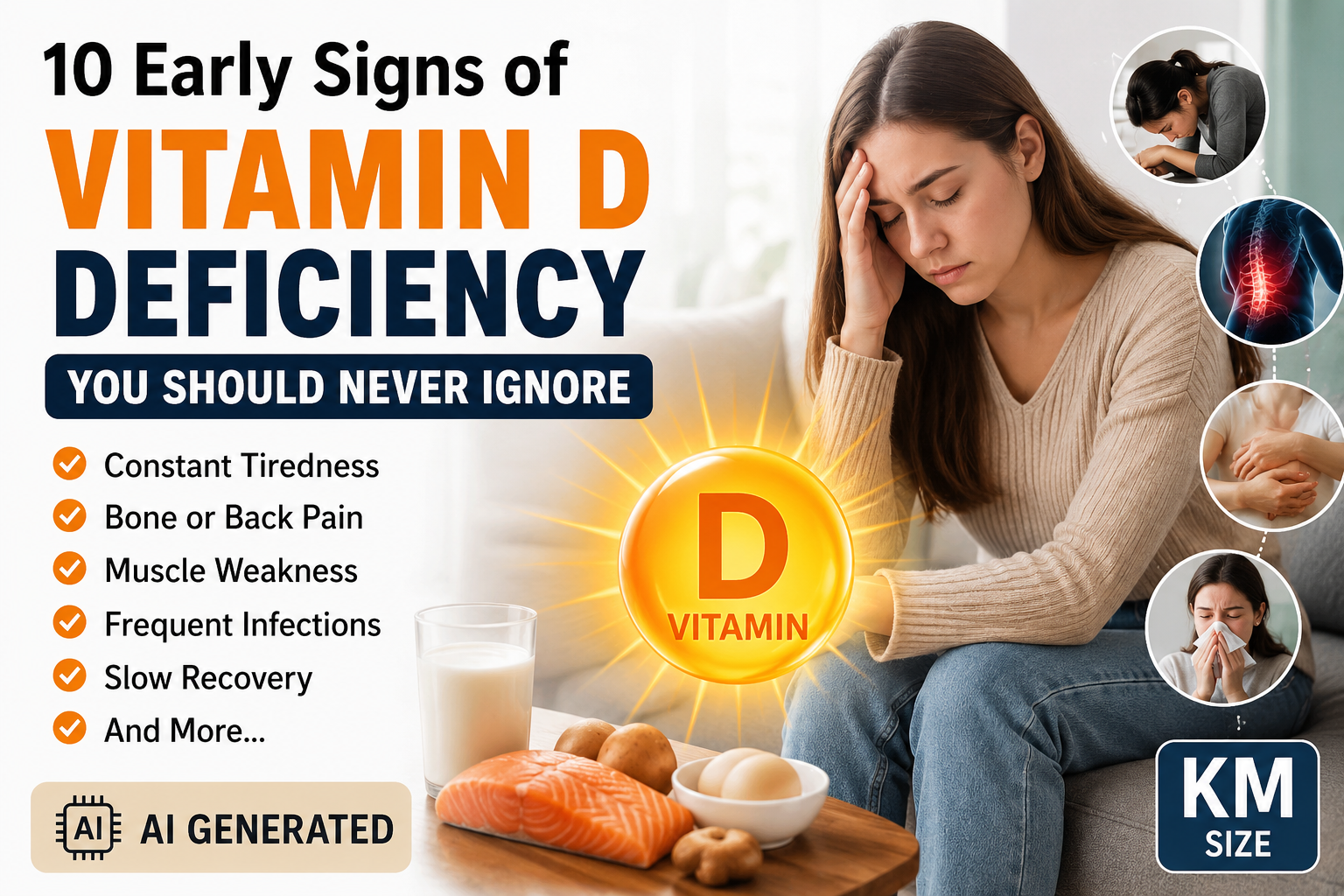
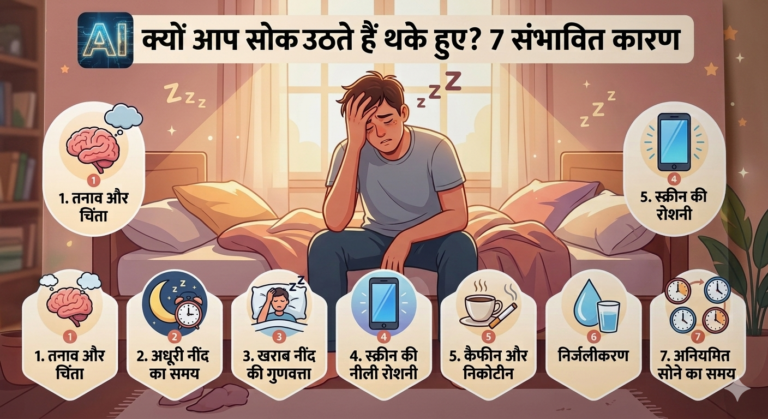
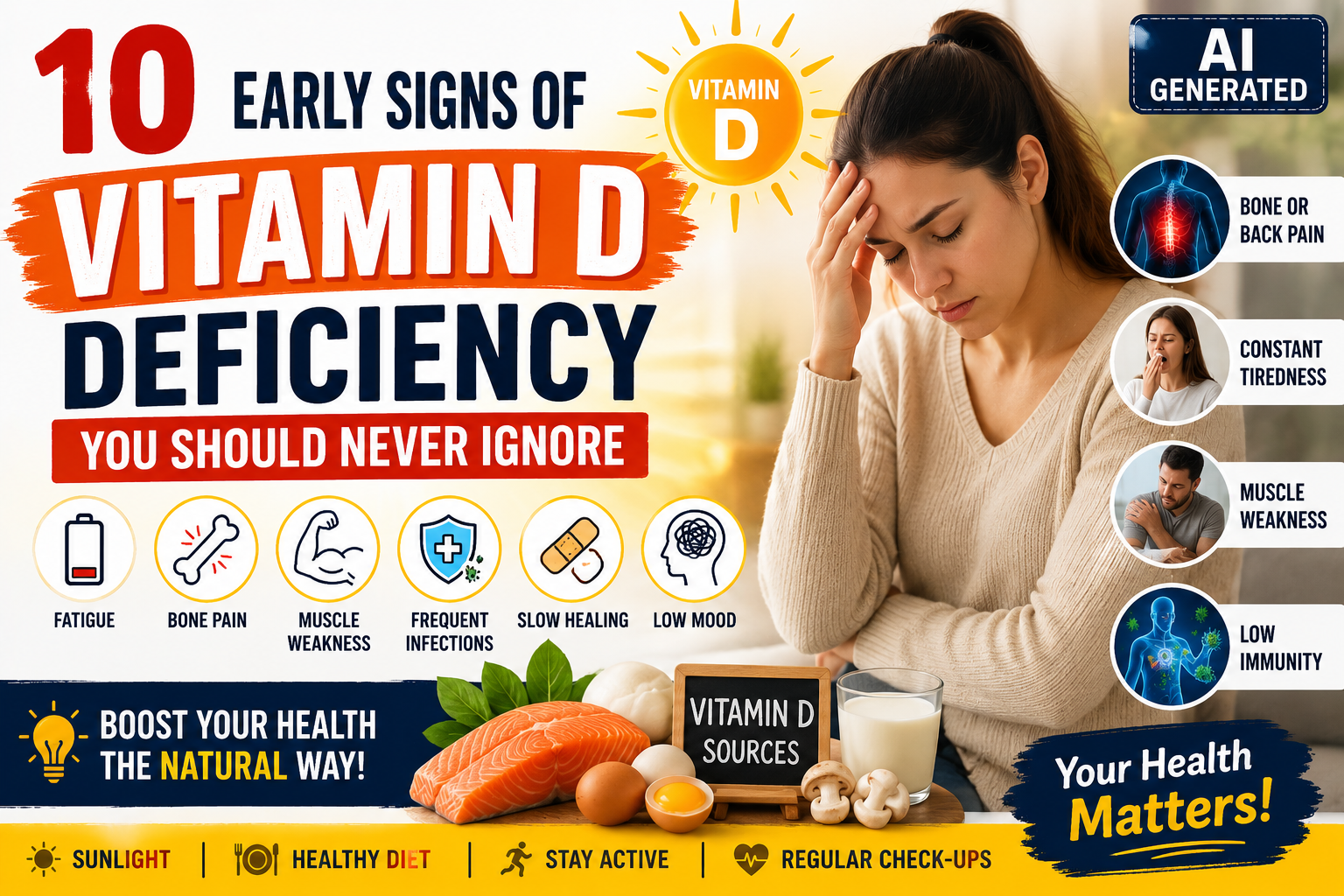
You sleep for 7–8 hours but still wake up feeling exhausted. Your back hurts without a clear reason. Climbing stairs feels harder than before, and you seem to catch colds more often.
Many people blame stress or a busy schedule, but in some cases these symptoms may be linked to low Vitamin D levels.
Vitamin D helps the body absorb calcium, supports muscle function, and contributes to a healthy immune system. Because the symptoms can develop gradually, they are often overlooked.
Let’s look at ten common signs that may be worth discussing with a healthcare professional.
1. You Feel Tired Almost Every Day
Persistent fatigue despite adequate sleep can have many causes. Low Vitamin D is one possibility that your doctor may consider along with other factors.
2. Your Bones or Lower Back Ache Frequently
Vitamin D supports bone health by helping the body absorb calcium. Ongoing bone or lower back discomfort deserves medical evaluation, especially if it persists.
3. Your Muscles Feel Weak
Simple activities like carrying groceries or climbing stairs may become more difficult if your muscles are not functioning at their best.
4. You Seem to Catch Infections More Often
Vitamin D plays a role in normal immune function. Frequent infections should always be assessed in the context of your overall health.
5. Minor Injuries Take Longer to Recover
If recovery from everyday strains or minor injuries feels slower than expected, it may be worth reviewing your nutrition and overall health with a healthcare professional.
6. Your Mood Has Changed
Feeling low, unmotivated, or less energetic can have many different causes. Some research has explored a possible relationship between Vitamin D levels and mood.
7. Hair Appears Thinner Than Before
Hair thinning can happen for many reasons, including stress, hormonal changes, nutritional deficiencies, and genetics. Low Vitamin D may be one contributing factor in some people.
8. You Experience Muscle Cramps
Repeated muscle cramps or unexplained muscle discomfort can sometimes be associated with nutritional deficiencies.
9. Your Bones Feel More Fragile
Long-term Vitamin D deficiency can reduce bone strength, particularly in older adults.
10. Daily Activities Feel More Difficult
If walking, exercising, or lifting light objects suddenly feels more challenging because of weakness or discomfort, it’s worth discussing these changes with your doctor.
Who Is More Likely to Have Low Vitamin D?
People who may be at higher risk include:
- Older adults
- Individuals who spend little time outdoors
- People with darker skin tones
- Individuals with certain medical conditions affecting nutrient absorption
- Those whose diets contain very little Vitamin D
How Can You Support Healthy Vitamin D Levels?
Simple habits can help:
✔ Spend some time outdoors when appropriate.
✔ Include Vitamin D-rich foods such as fatty fish, egg yolks, and fortified dairy or plant-based products.
✔ Stay physically active.
✔ Follow a balanced diet.
✔ Consult a healthcare professional if you think you may be deficient.
Should You Take Vitamin D Supplements?
Supplements are not suitable for everyone. Taking excessive amounts without medical advice can be harmful. If you suspect a deficiency, a healthcare professional may recommend a blood test and advise whether supplements are appropriate.
Final Thoughts
Vitamin D deficiency often develops quietly, and its early signs can resemble everyday fatigue or stress. While these symptoms do not automatically mean you have a deficiency, paying attention to persistent changes in your health is important. If you’re concerned, seek medical advice rather than self-diagnosing.