



Written by EntertainmentDhamaka
Thank you for reading this post, don't forget to subscribe!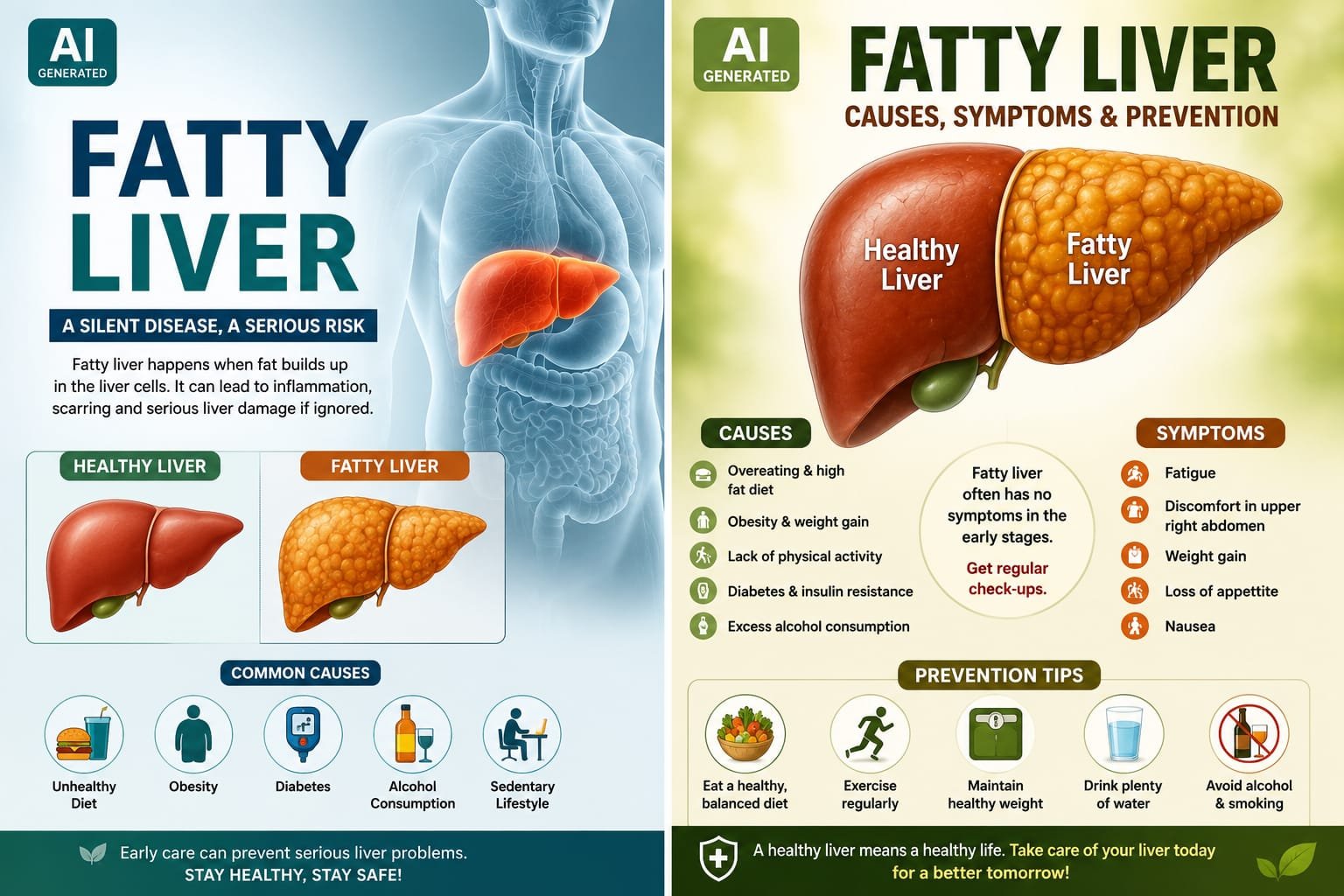
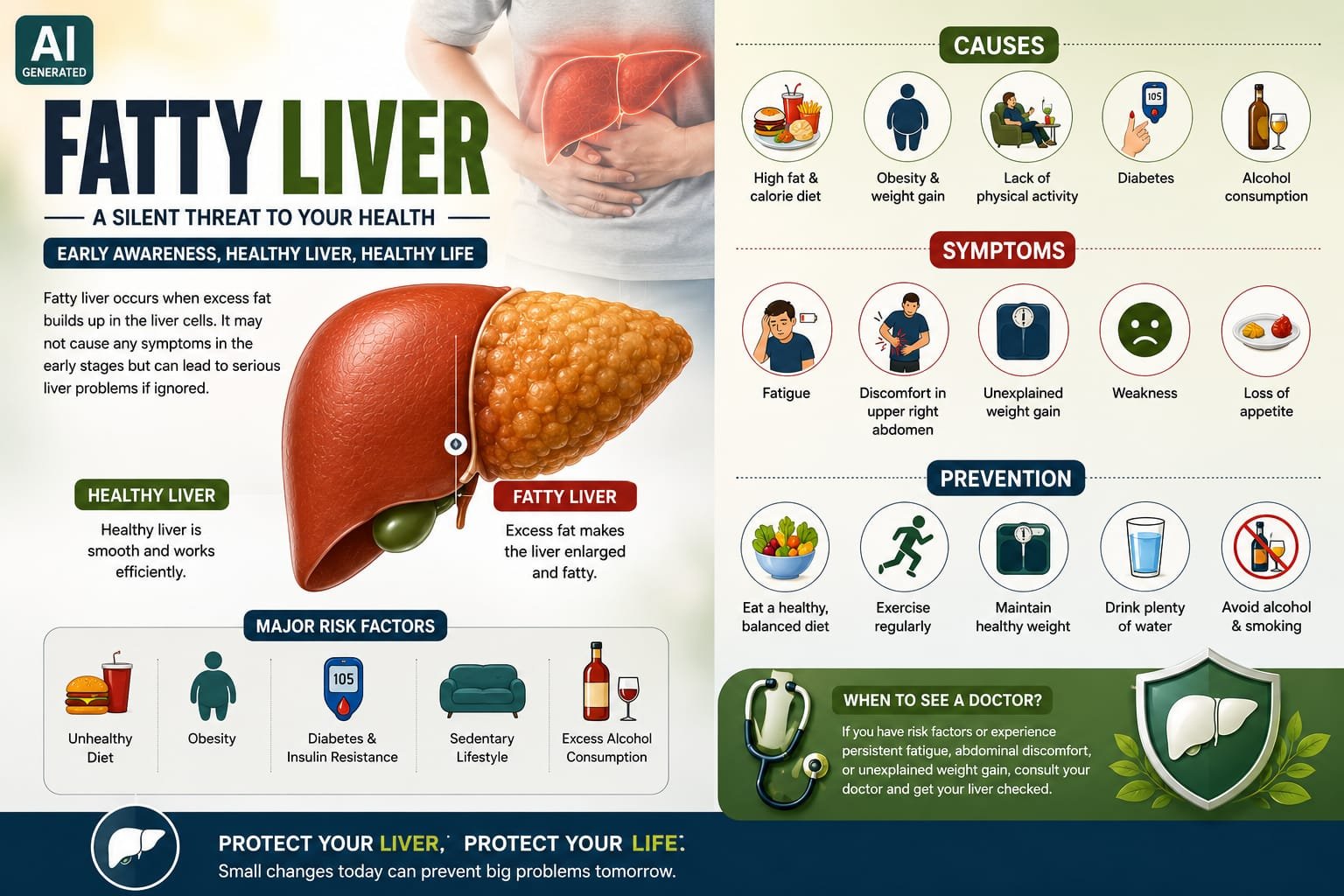
Fatty liver is becoming increasingly common due to changes in lifestyle, eating habits, and physical activity. The condition occurs when excess fat builds up in the liver.
The liver is one of the body’s most important organs. It helps process nutrients, supports metabolism, and performs several essential functions. When too much fat accumulates in liver cells, it is commonly referred to as fatty liver.
In many people, fatty liver may cause few or no noticeable symptoms in its early stages. However, maintaining a healthy lifestyle and addressing underlying health problems can be important for protecting liver health.
What Is Fatty Liver?
Fatty liver occurs when there is an excessive accumulation of fat in the liver.
One common form is metabolic dysfunction-associated steatotic liver disease (MASLD), which is associated with metabolic factors such as overweight or obesity, type 2 diabetes, and abnormal cholesterol or triglyceride levels.
Another form is alcohol-associated liver disease, which can occur with excessive alcohol consumption.
Main Causes and Risk Factors
Several factors can increase the risk of developing fatty liver.
1. Being Overweight
Being overweight or having obesity can increase the likelihood of excess fat accumulating in the liver.
2. Unhealthy Eating Habits
A diet high in excess calories, sugary drinks, highly processed foods, and unhealthy fats may contribute to fatty liver and poor metabolic health.
3. Lack of Physical Activity
A sedentary lifestyle and insufficient physical activity can increase the risk of metabolic problems associated with fatty liver.
4. Type 2 Diabetes
Type 2 diabetes and insulin resistance are important risk factors associated with fatty liver.
5. High Cholesterol or Triglycerides
Abnormal levels of cholesterol or triglycerides in the blood can also be associated with an increased risk.
6. Excessive Alcohol Consumption
Regularly consuming excessive amounts of alcohol can cause fat to build up in the liver and may eventually lead to liver damage.
Symptoms of Fatty Liver
One of the challenging aspects of fatty liver is that many people may not experience noticeable symptoms, particularly during the early stages.
Some people may experience:
- Tiredness or fatigue
- Weakness
- General lack of energy
- Discomfort in the upper-right area of the abdomen
These symptoms can have many possible causes and do not necessarily mean that someone has fatty liver.
How Is Fatty Liver Diagnosed?
Doctors may consider a person’s medical history, lifestyle, symptoms, and other health conditions when evaluating possible fatty liver.
Depending on the situation, a healthcare professional may recommend:
- Blood tests
- Ultrasound
- Other imaging tests
- Additional liver-related investigations when necessary
Symptoms alone cannot confirm fatty liver, so proper medical evaluation is important.
How Can You Help Prevent Fatty Liver?
Healthy lifestyle habits can support overall liver and metabolic health.
Eat a Balanced Diet
Include vegetables, fruits, whole grains, and nutritious sources of protein in your diet. Limiting excessive sugary drinks and highly processed foods can also be helpful.
Stay Physically Active
Regular activities such as walking, cycling, or other suitable exercises can support overall health and metabolic function.
Maintain a Healthy Weight
If you are overweight, gradual and sustainable weight management may help improve metabolic health. A healthcare professional can help you choose an appropriate approach.
Be Careful With Alcohol
Excessive alcohol consumption can damage the liver. People with liver problems should discuss alcohol use with a healthcare professional.
Manage Diabetes and Cholesterol
If you have diabetes, high cholesterol, or high triglycerides, following your healthcare professional’s treatment and lifestyle recommendations is important.
Can Fatty Liver Become Serious?
Fatty liver does not lead to serious complications in everyone. However, in some people, it can be associated with inflammation and progressive liver damage.
For this reason, fatty liver should not simply be ignored after diagnosis. Identifying and managing associated health conditions and making appropriate lifestyle changes can be important.
When Should You See a Doctor?
Consider speaking with a healthcare professional if you experience persistent or unexplained symptoms, have abnormal liver-related test results, or have been told that you may have fatty liver.
If you have already been diagnosed with fatty liver, follow your doctor’s recommendations for monitoring and treatment.
Final Thoughts
Fatty liver is a common condition in which excess fat accumulates in the liver. Many people may have few or no symptoms during the early stages.
A balanced diet, regular physical activity, healthy weight management, and proper management of conditions such as diabetes and abnormal cholesterol levels can support better overall liver health.
If you are concerned about fatty liver or have persistent symptoms, consult a qualified healthcare professional rather than starting medication on your own.
Medical Disclaimer
This article is intended for general health and awareness purposes only. It is not a substitute for professional medical advice, diagnosis, or treatment. If you have symptoms or concerns about your health, consult a qualified healthcare professional.