



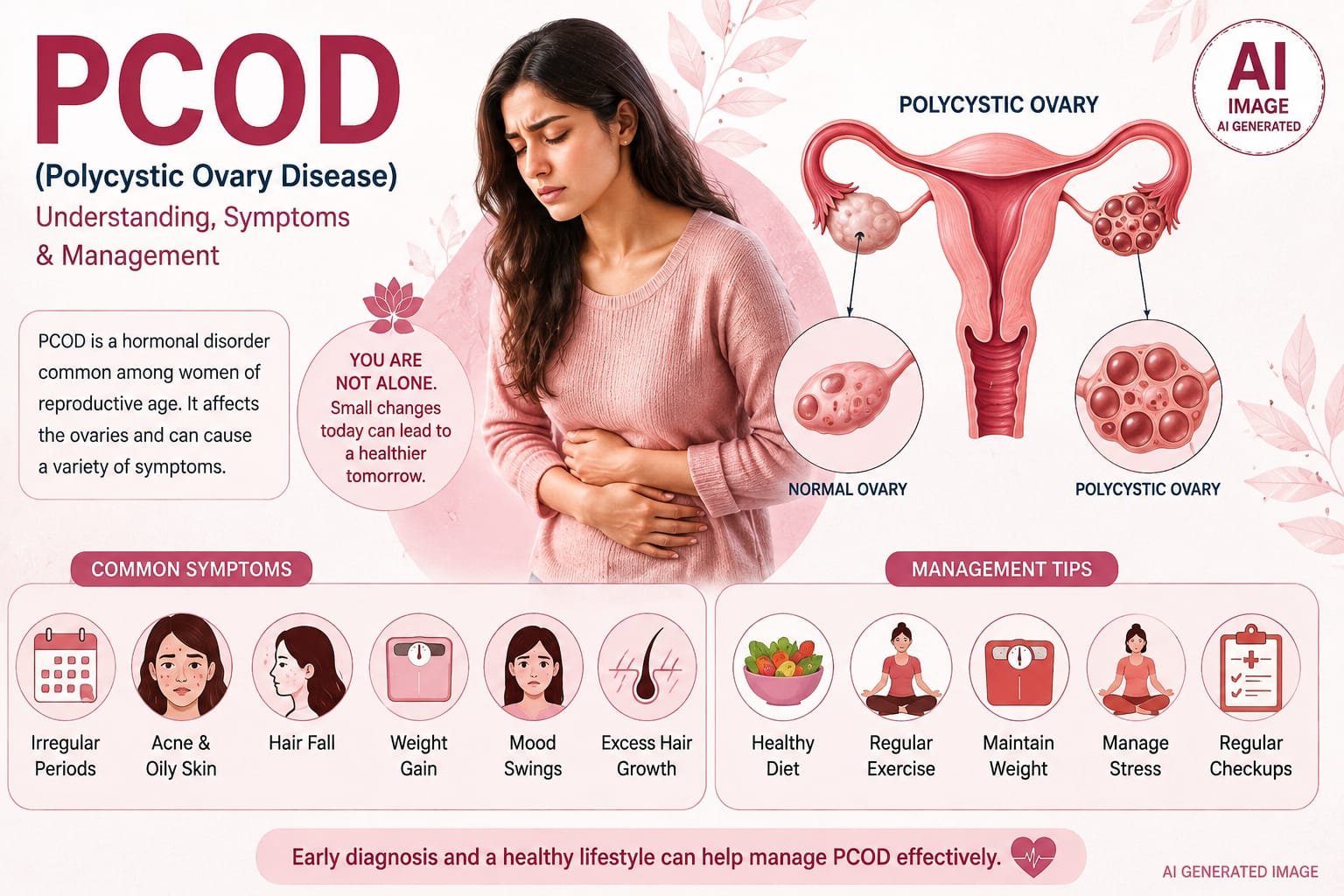
PCOD and PCOS are terms that many women hear today, especially when they experience irregular periods, acne, unwanted facial hair, weight changes or difficulty getting pregnant.
Thank you for reading this post, don't forget to subscribe!Although the terms are often used interchangeably in everyday conversation, PCOS stands for Polycystic Ovary Syndrome and is a hormonal and metabolic condition that can affect the menstrual cycle, ovulation, fertility, skin, hair and overall health.
The symptoms can vary significantly from one woman to another. Some women may have several symptoms, while others may have only a few. Importantly, having irregular periods or acne alone does not automatically mean that someone has PCOS. A proper medical evaluation is needed.
What Is PCOS?
Polycystic Ovary Syndrome is a condition associated with hormonal imbalance and irregular ovulation.
People with PCOS may have higher-than-usual levels or effects of androgens, sometimes called male hormones. This can contribute to symptoms such as unwanted facial or body hair, acne and hair thinning.
PCOS can also cause ovulation to become irregular, which may lead to periods occurring less frequently or becoming unpredictable.
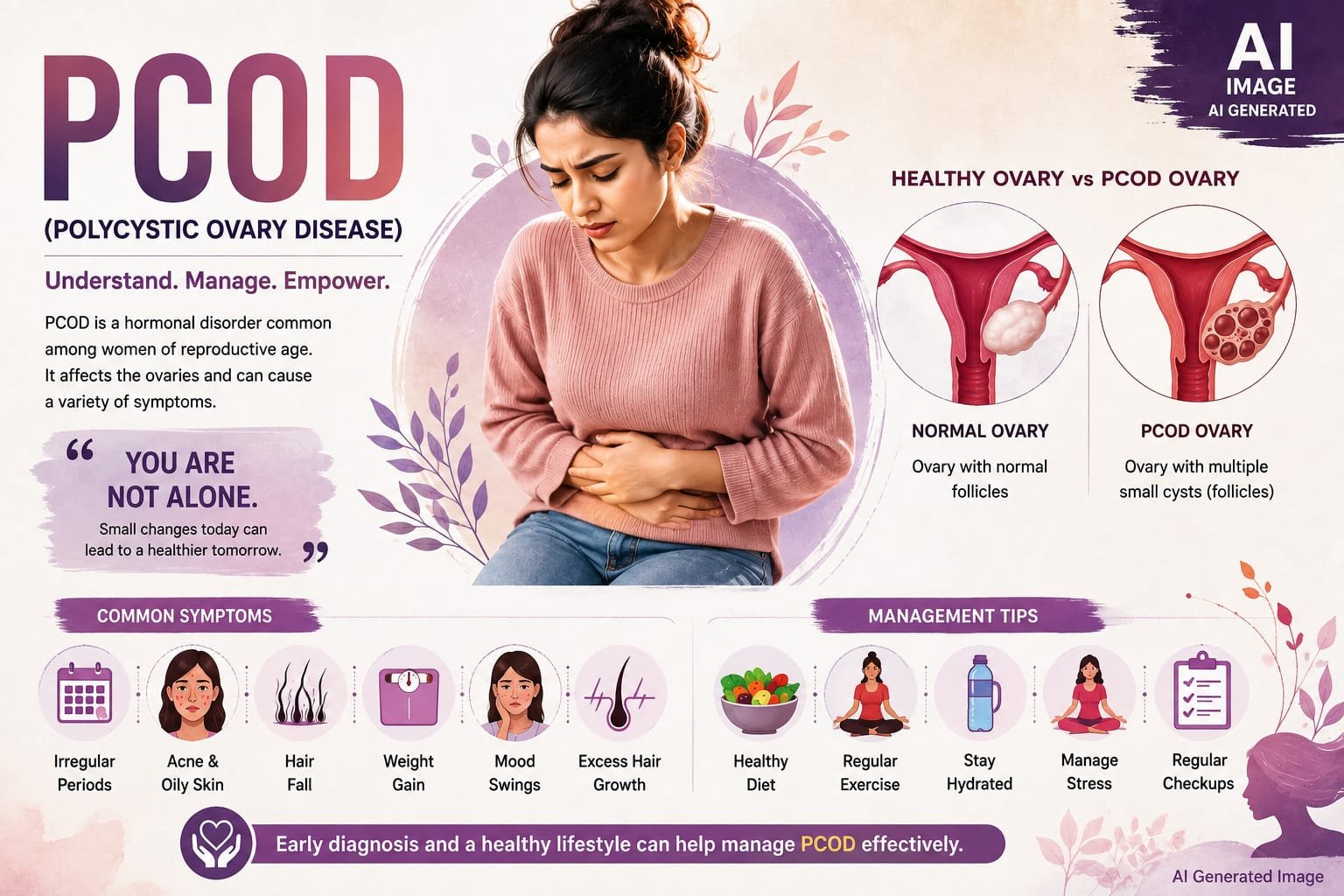
Despite its name, having ovarian cysts is not necessary for a PCOS diagnosis. Some women with PCOS may have many small follicles visible on an ultrasound, while others may not.
What Are the Common Symptoms of PCOS?
PCOS symptoms can be different for every person.
Some of the commonly reported symptoms include:
- Irregular or infrequent periods
- Long gaps between menstrual cycles
- Difficulty predicting when the next period will arrive
- Excess facial or body hair
- Acne or oily skin
- Thinning hair or hair loss from the scalp
- Weight gain or difficulty losing weight
- Difficulty becoming pregnant
- Dark, thickened patches of skin, particularly around the neck or armpits
- Mood-related problems such as anxiety or depression in some people
Not everyone with PCOS experiences all of these symptoms.
Why Do Periods Become Irregular?
One of the most noticeable signs of PCOS can be an irregular menstrual cycle.
When ovulation does not happen regularly, periods may become less frequent or unpredictable. Some women may go for long periods without menstruating.
However, irregular periods can have many causes, including pregnancy, stress, significant weight changes, excessive exercise and thyroid problems. Therefore, irregular periods should not automatically be attributed to PCOS.
Does PCOS Cause Weight Gain?
PCOS is often associated with weight gain and difficulty losing weight, but not every woman with PCOS is overweight.
A woman can have PCOS while maintaining a healthy body weight. Therefore, body size alone cannot be used to determine whether someone has the condition.
If weight management is appropriate for an individual, gradual lifestyle changes involving nutrition and physical activity may be recommended as part of an overall health plan.
Can PCOS Affect Fertility?
Yes, PCOS can affect fertility in some women.
One reason is irregular ovulation. If an egg is not released regularly, it can become more difficult to predict the fertile period and conceive.
However, having PCOS does not mean that pregnancy is impossible.
There are medical treatments that can help women who are having difficulty ovulating and becoming pregnant. Anyone planning pregnancy while experiencing irregular periods should discuss their situation with a gynecologist or other qualified healthcare professional.
What Causes PCOS?
The exact cause of PCOS is not fully understood.
Research and clinical guidance indicate that several factors may be involved, including hormonal and metabolic factors. Insulin resistance can occur in some people with PCOS, and family history may also play a role.
Because PCOS is complex, there is no single cause that explains every case.
How Is PCOS Diagnosed?
PCOS is not diagnosed simply by looking at one symptom.
A healthcare professional may consider:
- Menstrual history
- Symptoms such as excess hair growth or acne
- Hormone levels
- Medical and family history
- Physical examination
- Blood tests
- Ultrasound when appropriate
Doctors may also check for other conditions that can cause similar symptoms.
This is why self-diagnosing PCOS based on an internet checklist is not recommended.
Does Everyone With PCOS Have Ovarian Cysts?
No.
This is one of the most common misunderstandings about the condition.
The name Polycystic Ovary Syndrome can make it sound as though ovarian cysts are always present. In reality, some people with PCOS do not have the typical ovarian appearance associated with the condition.
A diagnosis should therefore be based on the overall clinical picture rather than an ultrasound finding alone.
Is There a Cure for PCOS?
There is currently no single cure for PCOS, but the condition can often be managed effectively.
Treatment depends on a person’s symptoms, health needs and whether they are trying to become pregnant.
Depending on the individual situation, healthcare professionals may recommend lifestyle changes or medicines to help manage menstrual irregularity, acne, excess hair growth, metabolic concerns or fertility problems.
PCOS Treatment Options
There is no one-size-fits-all treatment plan.
Managing Irregular Periods
Hormonal contraceptives may be recommended for some people who do not currently want pregnancy. They can help regulate menstrual bleeding and may also improve acne and unwanted hair growth.
Managing Acne
Acne associated with hormonal changes may be treated with appropriate skin treatments or medicines recommended by a healthcare professional.
Managing Excess Hair
Unwanted facial or body hair can be managed through cosmetic methods or, when appropriate, medical treatments.
Managing Fertility Problems
Women who are trying to become pregnant may receive fertility-focused treatment designed to help restore or stimulate ovulation.
The appropriate treatment depends on the individual and should be decided with a qualified healthcare professional.
Can Lifestyle Changes Help With PCOS?
Lifestyle changes can be an important part of managing PCOS and overall health.
1. Follow a Balanced Diet
There is no single magical “PCOS diet.”
Instead, focus on a balanced eating pattern that provides vegetables, fruits, whole grains, protein sources and other nutrient-rich foods.
Extreme diets and unverified food-based cures should be avoided.
2. Stay Physically Active
Regular physical activity can support overall health and may be particularly useful for metabolic health.
The best form of exercise is one that is appropriate for your fitness level and can be maintained consistently.
3. Maintain a Healthy Weight When Appropriate
For people who are overweight, gradual and sustainable weight management may improve some PCOS-related symptoms and metabolic risks.
However, it is important to remember that PCOS can also occur in people who are not overweight.
4. Take Sleep and Stress Seriously
Sleep, stress and mental wellbeing are important parts of overall health.
Some people with PCOS may experience anxiety or depression, so mental health should not be ignored when managing the condition.
PCOS and Diabetes: Is There a Connection?
PCOS can be associated with insulin resistance and metabolic health problems.
People with PCOS may have a higher risk of developing conditions such as type 2 diabetes, high blood pressure and cardiovascular disease, depending on their individual risk factors.
For this reason, healthcare professionals may recommend regular health monitoring after a PCOS diagnosis.
When Should You See a Doctor?
You should consider speaking with a healthcare professional if you have:
- Persistent irregular periods
- Several missed periods
- Excess facial or body hair
- Severe or persistent acne
- Unexplained changes in weight
- Difficulty becoming pregnant
- Symptoms that are affecting your daily life
Irregular or missed periods can have many causes, so medical evaluation is important rather than assuming that PCOS is responsible.
Common Myths About PCOS
Myth 1: PCOS Always Means You Have Cysts
False. Ovarian cysts are not required for everyone with PCOS.
Myth 2: Every Woman With PCOS Is Overweight
False. PCOS can affect women at different body weights.
Myth 3: PCOS Means You Cannot Get Pregnant
False. PCOS can make ovulation irregular, but treatments are available for fertility problems and many women with PCOS can become pregnant.
Myth 4: Every Irregular Period Means PCOS
False. Irregular periods can have many possible causes, including pregnancy, stress, weight changes and thyroid problems.
Final Takeaway
PCOS is a complex condition that can affect periods, hormones, skin, hair, fertility and metabolic health.
The symptoms are not the same for everyone, and having one symptom does not automatically mean that you have PCOS.
The most important step is to avoid self-diagnosis and seek appropriate medical evaluation when symptoms persist.
With the right treatment, regular monitoring and healthy lifestyle habits, many people with PCOS can manage their symptoms and maintain a healthy life.